Choose your region:

CEM

Discover 2.0

The fastest approach for Chemical Synthesis
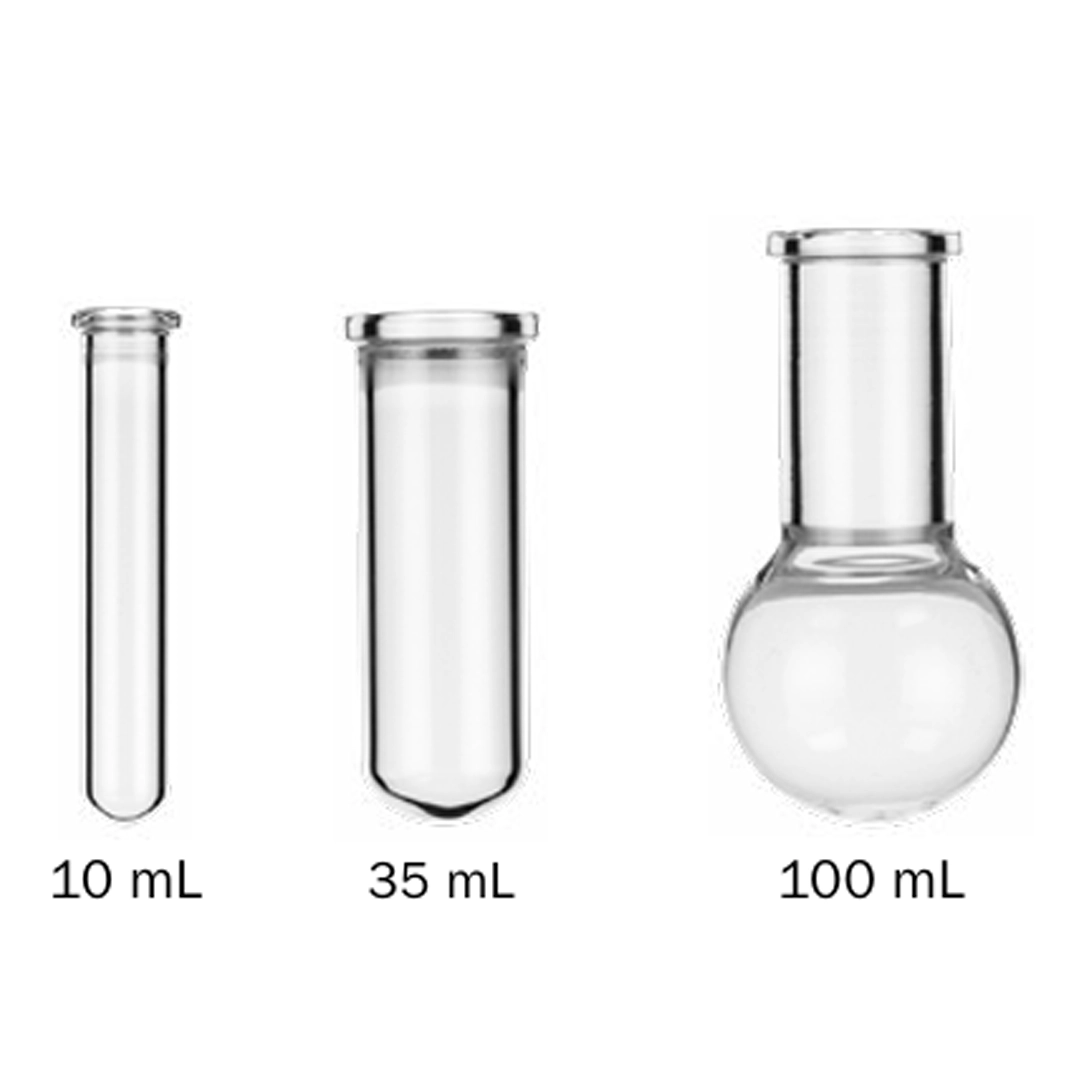
Widest pressurized vessel sizes for a single-mode microwave: 10mL, 35mL, 100mL
IR Temperature Sensor that sees through glass and Teflon® (iWave®)
Variable speed magnetic stirring and rapid compressed air cooling

Discover 2.0

Microwave Synthesizer

What is the Discover 2.0? 

The Discover® 2.0 is a microwave synthesizer ideal for efficient chemical synthesis in both organic and inorganic chemistry. It allows chemists to perform reactions faster, with higher yields, and precise control over temperature and pressure.

This device features a high-quality 300 mL single-mode microwave reactor and easy-to-use software.

Why use microwave assisted chemical synthesis?

Microwave synthesis offers unique heating advantages:

  • Reactions are heated volumetrically, directly, and instantaneously

  • Processes are faster and more efficient than conventional heating methods

  • Provides better product yields and greater control over reaction conditions

Microwave energy has become the industry standard for medicinal chemistry, nanomaterials synthesis, and academic teaching labs, due to these benefits.

Conventional heating vs microwave heating 

Conventional heating: traditional methods like hot plates, oil baths, and heating mantels transfer energy indirectly. Heat is first applied to the outside surface of the reaction vessel and solvent, which then slowly conducts intro the reactants. This form of heating is slower and inefficient, achieving reduced synthetic results.

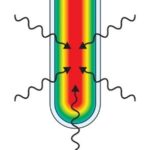
Microwave heating: the reaction vessel wall is transparent to microwaves, allowing the reactants to absorb energy directly. This process is known as direct molecular activation, heats the mixture volumetrically and instantaneously. Reactions that previously took hours, or even days, to complete can be performed in minutes.
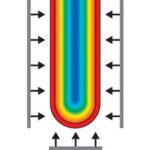
 

Conventional Heating
Microwave Heating
Microwave Heating


How does Activent® ensure safety?  

The Discover® 2.0 features patented intelligent pressure management technology:
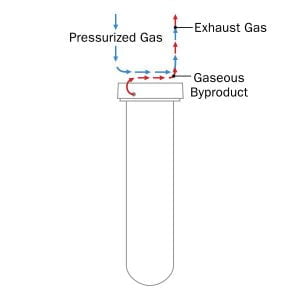
  • Automatically vents gas by-products safely through exhaust tubing located at the back of the instrument

  • By managing pressure build-up, this technology significantly reduces vial failures and eliminates the danger of vessel ruptures

  • Snap-on caps eliminate the need for crimping tools

  • The ability to vent gaseous byproducts both the scope and the yield of reactions, allowing reactions to reach higher temperatures than would otherwise be possible in a closed system


How to program the Discover 2.0? 

The 10″ touchscreen allows you to program reactions in seconds, optimizing conditions to achieve the best synthetic yield in minimal time.

Applications of the Discover 2.0

  • Medicinal Chemistry
  • Nanomaterials Synthesis
  • Academic Labs

Key features

  • Vessel sizes: 10 mL, 35 mL, 100 mL single-mode microwave vessels

  • IR Temperature Sensor (iWave®): patented, flour-mounted IR sensor that measures temperature through glass and Teflon to measure the sample directly rather than the vessel wall. Eliminated the need for fragile fiber-optic probes

  • ActiVent Technology: vent and reseal technology for safe handling of over-pressurization

  • Variable-speed magnetic stirring and rapid compressed-air cooling

  • Integrated camera: fully integrated 5 megapixel camera with 10-inch touchscreen interface to monitor and record reactions in real-time

  • Upgrade options: autosamplers (12 or 48 positions), gaseous addition, sub-ambient temperature, flow cells

  • Patented circular waveguide: delivers energy from a 900 W magnetron to provide accurate and reproducible heating profiles


Questions about your application?

Our Xperts are happy to answer your questions and provide additional information about this instrument and its applications.

Frequently asked questions

You can run reactions in 10 mL, 35 mL, and 100 mL sealed microwave vessels. The system supports both low‑volume and high‑pressure chemistry.    
Microwave heating activates molecules directly, allowing reactions to run faster, reach higher yields, and maintain tighter control over conditions. It is more efficient than conductive heating and is widely used in medicinal chemistry, nanomaterials, and academic labs.
Conventional heating transfers energy slowly from an external heat source through the vessel wall, reducing efficiency. Microwave heating energizes the reaction mixture volumetrically and instantaneously, often reducing reaction times from hours to minutes.
iWave® measures the temperature of the sample directly, not the vessel wall. It uses a non‑contact IR sensor that works through glass and Teflon®, eliminating fragile fiber‑optic probes.
ActiVent® automatically vents gaseous by‑products through the rear exhaust tubing to manage pressure buildup. This reduces vial failures, prevents vessel rupture, and allows reactions to reach higher temperatures safely. Snap‑on caps also remove the need for crimping tools.
The 10″ touchscreen interface lets you program reactions in seconds. You can optimize temperature, pressure, ramp times, and hold times to achieve optimal synthetic yields.

Downloads

Application note: Performing Inert Microwave Chemistry
Microwave Chemistry with Non-polar Reaction Solutions
CEM Discover 2.0 brochure

Related instruments

CombiFlash NextGen 100

Flash chromatography system for both normal phase and reverse phase purifications
Flow rates from 1 to 100 mL/min
Operating pressure up to 150 psi (10 bar)

CombiFlash NextGen 300+

The CombiFlash NextGen 300+ comes standard with all options installed
Flow rates from 1 to 300 mL/min
Operating pressure up to 300 psi (20 bar)

Last viewed products

No products found

Contact our Xperts

Prefer to give us a call?

Belgium & Luxembourg
+32 (02)2 334 22 70

Please select your country

By selecting your country, we can show you the products that are available for you and your organisation.