 Dutch
 English
 French

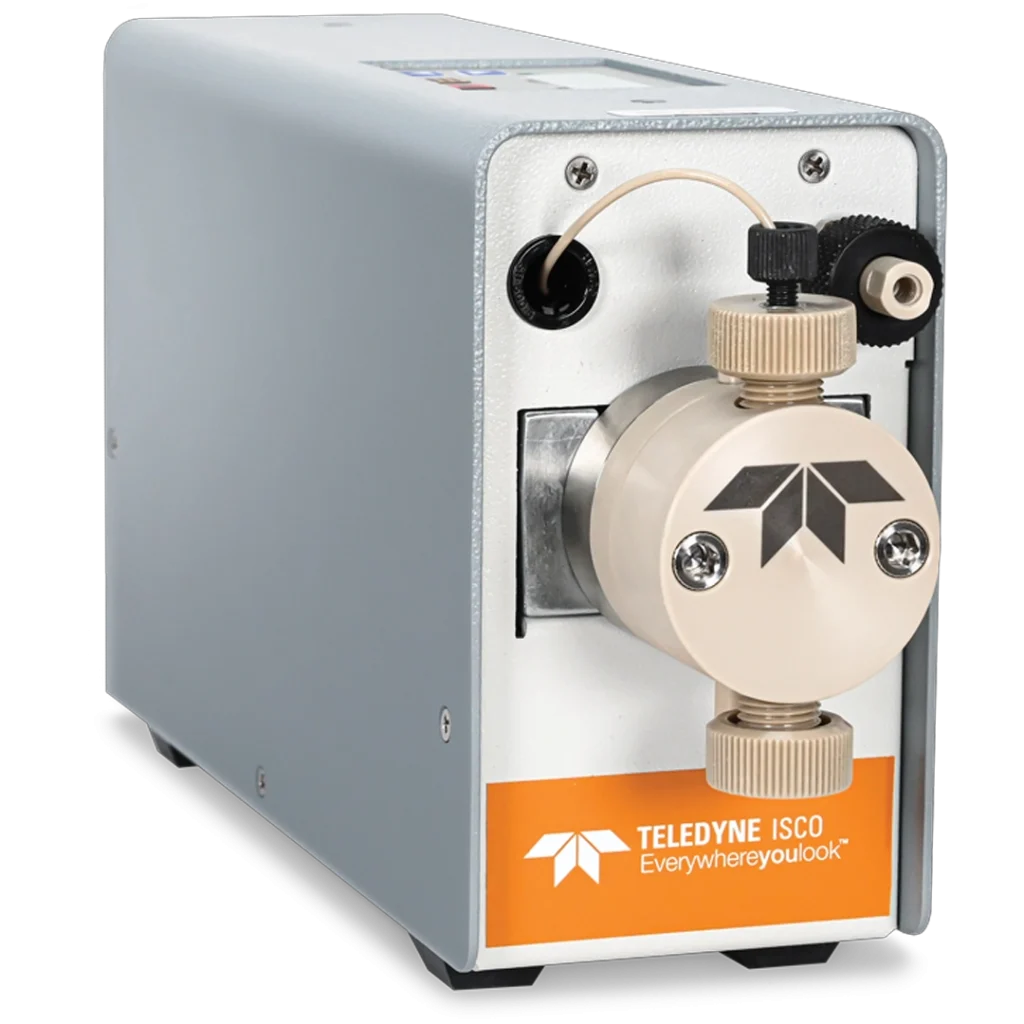
Peristaltic pumps are designed without check valves, allowing them to handle particulates and sticky fluids. The PeriXus® system supports laboratory and continuous processing applications and minimizes maintenance to improve return on investment.
The compact and modular design of Teledyne LABS PeriXus® peristaltic pumps makes them space-saving and suitable for lab and manufacturing environments. The peristaltic pumping principle also helps reduce the possibility of contamination, making the system suitable for handling volatile materials.
The ability to quickly change hoses allows users to switch from pumping one material to another in minutes, increasing application flexibility. Available hose options are designed to handle demanding materials, including highly viscous fluids. The pump operates over a flow range of 0.005 to 162 mL/min.
What is a Peristaltic Pump?
A peristaltic pump is a positive displacement pump that controls fluid movement through controlled compression. It operates on the principle of peristalsis, similar to biological systems, using a flexible tube inside a circular housing.
A rotor with precision rollers compresses the tubing as it rotates. This creates a sealed section that moves fluid forward, while the tube’s natural elasticity generates a vacuum effect behind the roller that draws in additional fluid. Rotational speed and tube wall thickness influences flow consistency, which together support steady operating pressure and stable flow.
Applications and industries
Peristaltic pumps are used in applications requiring precision and contamination control.
- Their flow capabilities make them suitable for pharmaceutical manufacturing and chemical processing, where only the tube interior contacts the fluid, reducing cross-contamination risk
- Applications vary by industry, including food and beverage processing with hygiene requirements and environmental sampling requiring continuous operation
- In medical environments: cardiopulmonary bypass procedures where fluid sterility is critical
Core operating components
The performance of a peristaltic pump is based on a combination of mechanical and fluid dynamic principles. Key components include:
- Tubing with specific wall thickness and material composition for durability and chemical compatibility
- Precision housing that supports the tube and rotor assembly
- Rotor system with rollers that maintain consistent tube compression
- Controlled fluid dynamics created by compression and tube recovery
- Elastic recovery of the tube, enabling vacuum generation
- Flow control through rotational speed adjustment
- Contamination prevention through complete fluid isolation within the tubing
These elements work together to provide consistent fluid handling across laboratory and industrial applications.
How to operate a peristaltic pump?
Proper setup and maintenance contribute significantly to pump longevity and precision. Key operational steps include:
- Secure installation with correct inlet and outlet connections based on system pressure requirements
- Selection of appropriate tubing material and wall thickness based on fluid properties and flow needs
- Correct tube seating and roller engagement
- System priming to remove air pockets before operation
- Starting at low rotational speeds until stable flow is achieved
- Flow rate adjustment through rotor speed control
- Ongoing monitoring of system performance and flow consistency
Features
PeriXus® peristaltic pumps are designed for reliable fluid handling in laboratory and process environments. Their key features include:
- Less maintenance due to elimination of valves and seals
- High containment through tubing-based fluid isolation, reducing contamination risk
- Ability to handle a wide range of viscosities and flow rates
- Precise and repeatable flow control via rotational speed adjustment
- Durable construction for demanding environments
- Flexible configuration options in tubing, flow settings, and control parameters
Technical specifications:
| RPM | 0.1 to 300 |
| Flow range | 0.05 – 162 mL/min (L/S 16 tubing) |
| Speed control (repeatability) | ±0.1% |
| Reversible motor | Yes |
| IP Rating | IP33 |
| Dimensions | 9.4″ x 5.5″ x 6.2″ (23.9 x 14.0 x 15.7 cm) |
| Power | 90 to 260 VAC, 50/60 Hz |
| Amps | 0.34 at 115 VAC, 0.2 at 230 VAC |