 Dutch
 English
 French
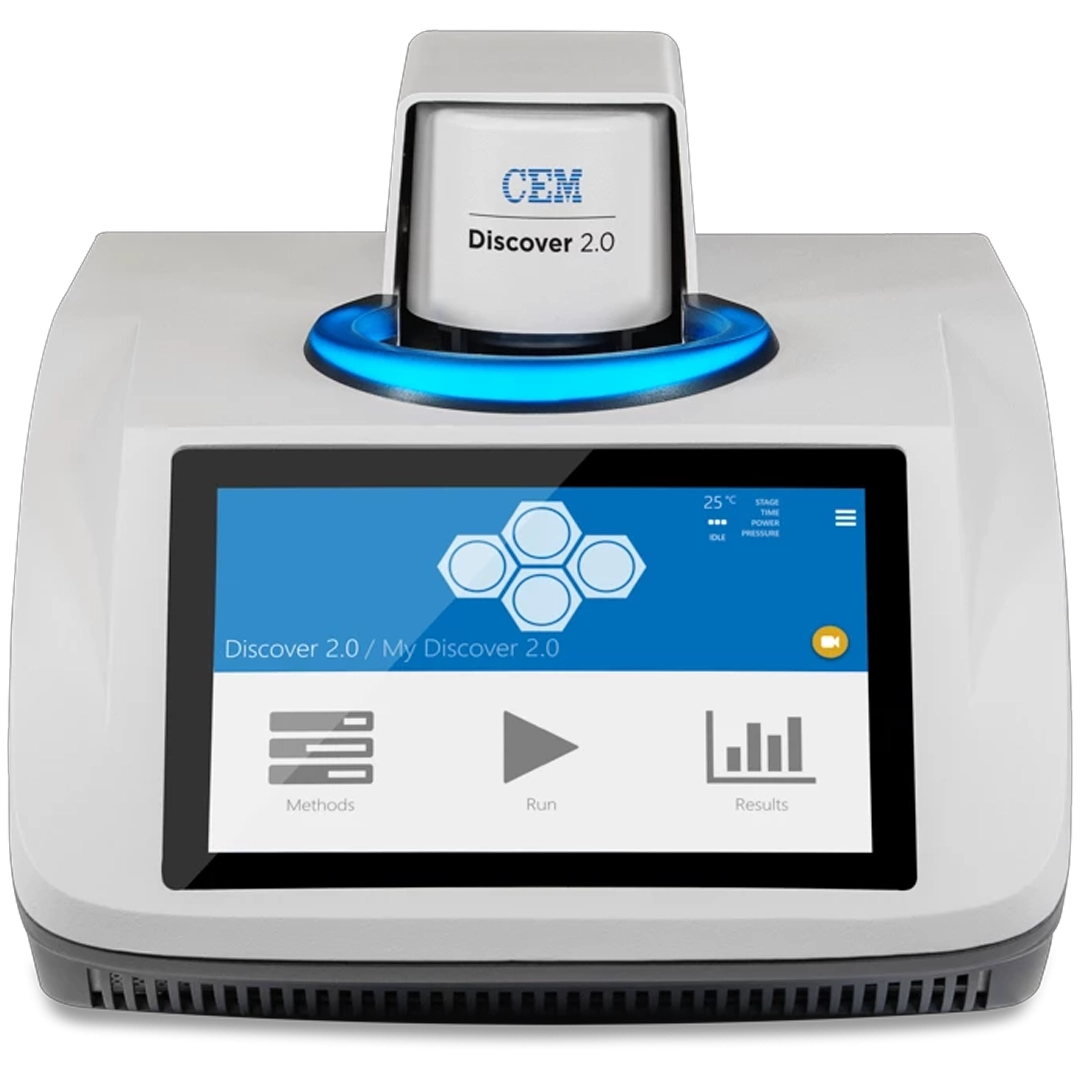
Microwave synthesizer for chemical synthesis
The Discover® 2.0 from CEM is a single-mode microwave synthesizer designed for organic and inorganic chemical synthesis. It combines a 300 mL microwave cavity with precise temperature measurement, automated pressure management and intuitive reaction programming.
By applying microwave energy directly to the reaction mixture, the system enables rapid heating and controlled reaction conditions. The Discover 2.0 is used in medicinal chemistry, nanomaterials synthesis and academic research laboratories.
How does microwave-assisted synthesis work?
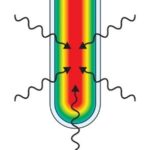
Microwave-assisted synthesis uses microwave energy to heat reaction mixtures directly. Unlike conventional heating methods, which transfer heat from an external source through the reaction vessel, microwave energy can be absorbed by components of the reaction mixture.
This enables rapid, volumetric heating and can significantly reduce reaction times compared with conventional conductive heating. Depending on the chemistry and reaction conditions, microwave-assisted synthesis can also improve reaction efficiency and product yields.
The Discover 2.0 uses a single-mode microwave cavity to deliver controlled microwave energy to the reaction solution
Conventional heating vs microwave heating
Conventional heating: traditional methods like hot plates, oil baths and heating mantles transfer heat indirectly. Energy passes through the reaction vessel before reaching the reaction mixture. This can result in slower heating and temperature gradients within the solution.
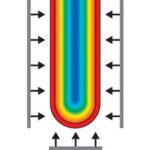
Microwave heating: microwave-transparent reaction vessels allow microwave energy to interact directly with the reaction mixture. This provides rapid heating throughout the microwave-absorbing material, rather than relying solely on heat transfer through the vessel wall.
Accurate temperature measurement with iWave
The Discover 2.0 incorporates iWave® infrared temperature sensing technology, which measures sample temperature through glass and Teflon® reaction vessels. Unlike conventional external IR measurements that monitor the vessel surface, iWave is designed to measure the temperature of the reaction sample itself.
This non-contact approach eliminates the need for internal fibre-optic temperature probes and supports responsive temperature monitoring during microwave synthesis.
Automated pressure management with ActiVent
The patented ActiVent® pressure management system controls pressure build-up during sealed-vessel reactions. When gaseous by-products are generated, ActiVent automatically vents them through exhaust tubing at the rear of the instrument. This reduces the risk of vessel failures associated with over-pressurization.
The system also uses snap-on vessel caps, eliminating the need for crimping tools. Controlled venting can allow suitable reactions to operate at higher temperatures than would otherwise be possible in a fully closed vessel.
Flexible reaction vessels and configurations
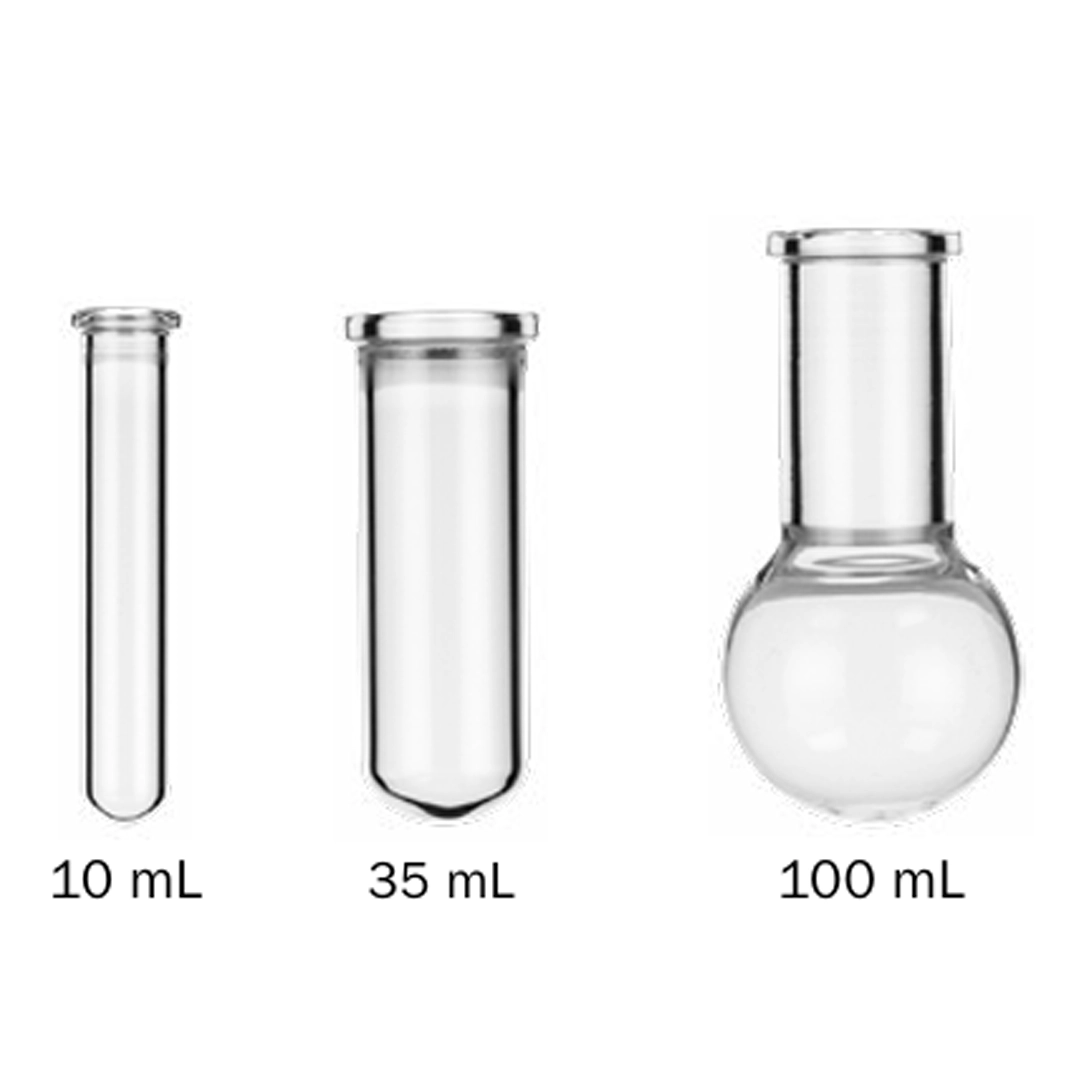
The Discover 2.0 supports sealed, pressurized reactions in 10, 35 and 100 mL vessels. For non-pressurized reactions, standard laboratory glassware can be used, including round-bottom flasks up to 125 mL.
For chemistry that is incompatible with glass, such as reactions involving hydrofluoric acid or strong inorganic bases, CEM also offers silicon carbide vessels and disposable Teflon® liners.
Reaction programming and monitoring
The integrated 10-inch touchscreen provides access to customizable reaction methods and operating parameters. Users can create, import and modify methods, select reaction control modes and review experimental data. The software also supports password-protected user access, audit trail traceability, report generation and data export to a local network drive.
An optional 5-megapixel camera enables visual monitoring and recording of reactions through still images or video footage.
Applications of the Discover 2.0
The Discover 2.0 is suitable for microwave-assisted chemical synthesis in:
- Medicinal chemistry: microwave-assisted organic synthesis in drug discovery research
- Nanomaterials synthesis: microwave heating for materials and nanomaterials research
- Academic laboratories: chemical synthesis, research and teaching applications involving microwave-assisted reactions